Test Layout 2
L1 LAYOUT LAB / REVIEW
The bench, without the clutter.
A review should connect the hardware to the experience of using it. This local layout demonstration reuses photographs from the media library; it is not a new product review or a set of measured results.
At a glance
Start with the decision a reader is trying to make, then establish the conditions of the review. A compact summary makes it possible to follow the story without confusing a feature list with a verdict.
The short version
Good access, clear labeling, and room to work matter as much as the parts on a specification sheet. Use this panel for a concise finding, then support it with the sections below.
Design and serviceability
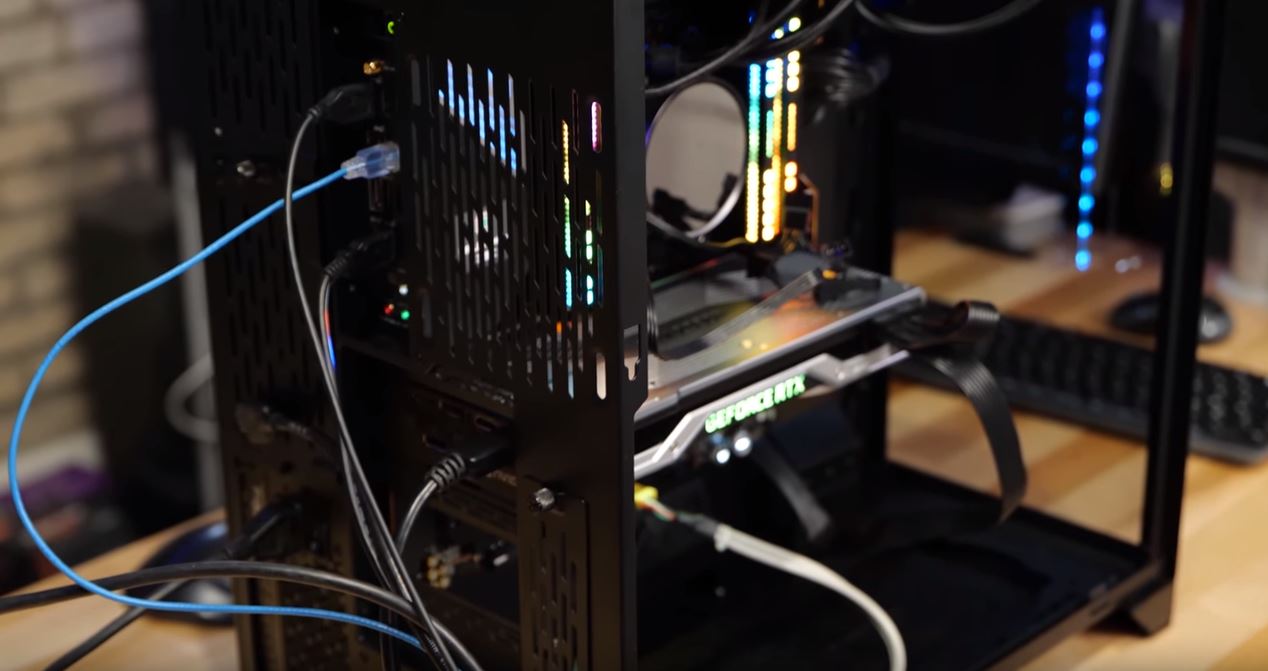
The wide opening photograph establishes the whole machine. Closer images can then explain the relationships between components: where cables cross, which fasteners are reachable, and how much clearance remains around a connector.
Keep ordinary reading text comfortable while letting a useful photograph take more space. The surrounding Group owns the text measure; this column is free to hold a wide figure, a table, or another layout.
Ports and access
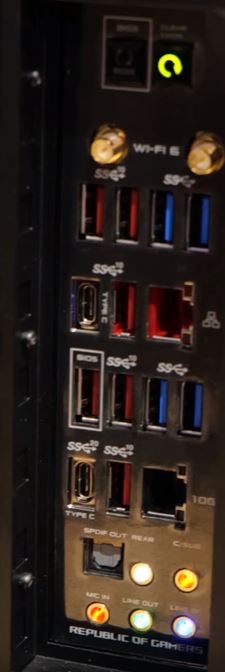
A rear-panel photograph belongs beside the discussion of connectivity. Show enough of the neighboring ports to explain spacing, then add a caption that directs attention to the detail rather than repeating the heading.
A repeatable review checklist
| Question | Evidence to show |
|---|---|
| Can it be serviced? | Clearance, fasteners and cable routes |
| Does it fit the workflow? | Ports, access and the working environment |
| Can results be reproduced? | Method, settings and comparable measurements |
Daily use
Long-term observations deserve their own section. Describe how the system behaves in the intended environment, and distinguish measured results from impressions. A review becomes more useful when it explains which observations are likely to matter to a particular reader.
Verdict
Finish by reconnecting the evidence to the opening question. Make the tradeoffs explicit, identify the audience, and give readers enough context to disagree. A conclusion can be short when the preceding sections have done their job.
A closer look
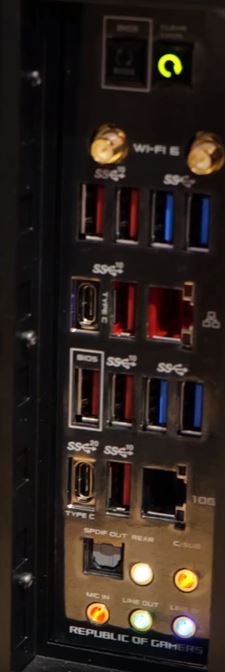
The photo grid uses native Gallery and Image blocks. The images link to their media files for closer inspection; column count, cropping, ordering and captions remain editable.